
By definition, Narcissism is the pursuit of gratification from vanity or egotistic admiration of one’s idealised self image and attributes.
Now I’ve got friends who confuse NARCISSISTIC PERSONALITY DISORDER with SELF-LOVE which I think is very dumb. Narcissism is not just something attributed to people who post selfies and list all their favorite meals on Facebook and Instagram. Narcissistic Personality Disorder is more than just overconfidence. It can lead to an emotionally abusive and toxic environment.

When it comes to determining whether someone you know is a narcissist, most people make it more complicated than it needs to be. I use the duck test—that is, if it looks like a duck and quacks like a duck, it probably is a duck. There are no physical blood tests, MRIs, or exact determinations that can identify narcissism. Even therapists have to go on their observations of the behavior, attitudes, and reactions that a person presents to determine narcissism.
Narcissism is very much sort of the buzzword of our time. And it is woefully misunderstood. Narcissism is very much viewed as a disorder of sort of inflated self-esteem and grandiosity. It is those things, but in fact, it’s a disorder of self-esteem. People with narcissism are often the most insecure people in the room and they’ve established a way of showing themselves as anything but – that they often look like the most confident person in the room but there’s an emptiness there.
Lack of empathy, grandiosity, a chronic sense of entitlement and a chronic need to seek out admiration from other people and validation from other people – These really create the core of that disorder. And then that’s coupled with this sort of inability to regulate self-esteem – that sense of always peddling faster to get the regard of other people. And has even been viewed very much as a disorder of attachment – that inability to make deep, intimate, connected and phatic ties to another human being.
When you’re with someone who’s narcissistic, it can often throw you off because initially, because they’re so good at putting on that admiration seeking show – they can be charismatic, often quite smart, charming and very gripping. But over time, all of that superficial façade is met behind with a real lack of empathy, often a lack of compassion, they often don’t listen very well, they’ll be prone to patterns like deceit and lying. It’s not the stuff that is good for very connected relationships. And the fact is, the impacts of narcissism aren’t just in the intimate relationship. We see them in any critical relationships. Narcissistic parents, narcissistic children, siblings, friends, co-workers and bosses. It behaves the same in all of those situations, but more than anything it often feels like we’re not being heard, we’re not being noticed and in fact we’re often being criticized and rejected on a chronic day after day way.
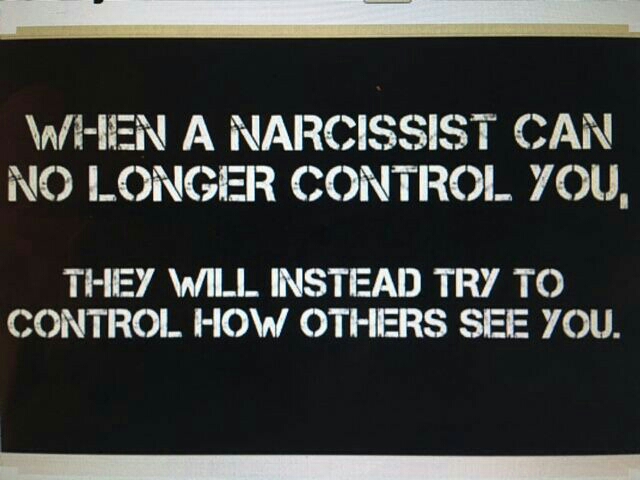
Social media is here to stay and while it can provide narcissists with the ability to seek attention and self-promotion that they crave, there is no clear link between social media use and narcissistic tendencies.
Studies have shown there is likely a strong genetic component to narcissism, although researchers are not certain what genes are involved.
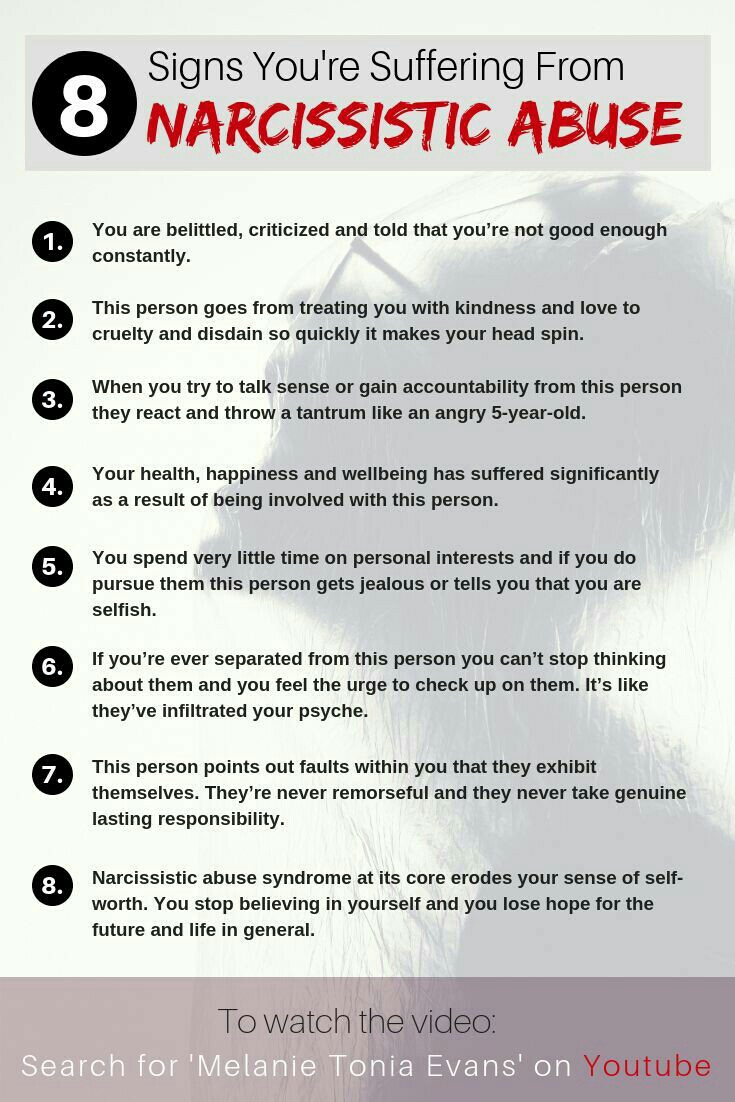
While it can be difficult for a person with narcissistic tendencies to work toward self-improvement, it is not impossible.So then the bigger question becomes, what do you do? If you’re never going to be enough, one thing you need to do is to stop exhausting yourself to try to be so. Every human being in the world comes into this world more than enough and exits this world more than enough. So that’s got to be the central premise. The key then becomes managing your expectations. Nothing is ever going to be enough for the narcissist and so it’s really to be your best version of yourself for yourself, for your meaning, for your purpose, to live in lying with that. If it works for that person, great. If it doesn’t, you’re never going to be the one to please them anyhow. That’s a really difficult thing to ask people to do because again, managing expectations often does mean giving up hope. I think it’s more like a re-rendering of hope. It’s re-writing that hope in a way that’s less about trying to run around in circles and trying to please one person, but really embedding it in your larger version of being again, a compassionate person yourself.
Love,
Milly.


 milly’s archives
Leave a reply to Malosri Basu Cancel reply